Introduction to Voice Over Technology
For many beginners stepping into the world of voice over acting, the technical jargon can be overwhelming. Whether you're a business in Chula Vista, CA, looking to hire a voice over actor or someone interested in entering the field, understanding the basic technology is crucial. This guide aims to break down complex concepts into simple terms, making it easier for non-experts to grasp the essentials of voice over technology in 2026.
Key Equipment in Voice Over Acting
Microphones: The Heart of Voice Recording
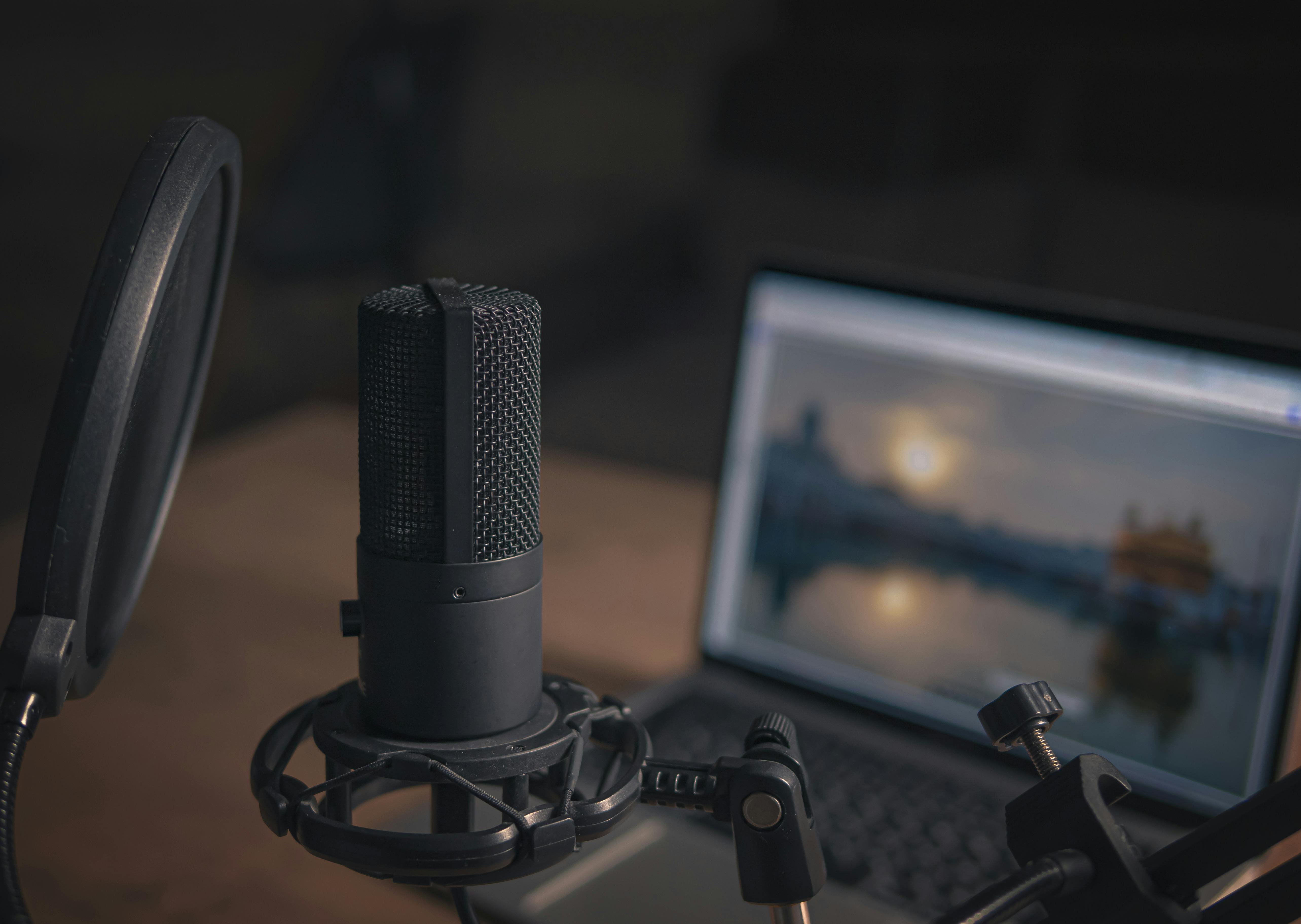
The microphone is your primary tool as a voice over actor. In 2026, USB microphones are popular for their ease of use and high-quality sound, suitable for both beginners and professionals. A condenser microphone is often preferred for its sensitivity and clarity, essential for capturing the nuances of your voice.
Audio Interfaces: Bridging the Gap
An audio interface acts as a bridge between your microphone and computer, converting analog signals into digital data. This is crucial for ensuring your recordings are of professional quality. In simple terms, it ensures your voice sounds clear and true to life when recorded.
Recording Software: Your Digital Canvas
Software like Audacity or Adobe Audition allows you to record, edit, and enhance your voice recordings. These programs are user-friendly and come packed with features that can help refine your sound. Think of them as your digital canvas where you can adjust levels, remove background noise, and add effects.
Understanding Acoustics and Soundproofing
Acoustics: The Science of Sound
Acoustics refers to how sound behaves in a space. For voice over work, you want a room with minimal echo and background noise. This can be achieved by adding soft materials like carpets or foam panels to absorb sound.
Soundproofing: Keeping Unwanted Noise Out
Soundproofing involves preventing external noises from entering your recording space. This can be as simple as sealing windows and doors or as complex as building a soundproof booth. In Chula Vista, CA, where traffic and community noise can be prevalent, effective soundproofing is essential.
Common Technical Terms Explained
Frequency Response
This term describes how well a microphone can reproduce different sounds. A flat frequency response is desirable as it means the microphone captures sound accurately without coloring it.
Sample Rate
Sample rate refers to the number of samples of audio carried per second. Higher sample rates mean better audio quality. For voice over work, a rate of 44.1 kHz is standard and sufficient.
Bit Depth
Bit depth affects the dynamic range of your recordings. A higher bit depth means more detail in the quiet and loud parts of your recording. For professional-grade voice overs, a bit depth of 24 bits is recommended.
The Future of Voice Over Technology
As we move further into 2026, technology continues to evolve, offering new tools and features for voice over actors. Artificial intelligence is beginning to play a role in editing and enhancing recordings, while cloud-based platforms offer remote collaboration possibilities. Staying updated with these advancements can give you a competitive edge.
Conclusion: Simplifying the Voice Over Journey
Understanding the technical aspects of voice over acting doesn't have to be daunting. By breaking down these concepts into simpler terms, you can better appreciate the tools and techniques that contribute to a successful voice over project. Whether you're hiring a voice over actor in Chula Vista, CA, or exploring the field yourself, this knowledge will empower you to make informed decisions and produce high-quality results.
For more insights and expert advice on voice over services in Chula Vista, be sure to explore our other blogs and resources.